
Kedarnath
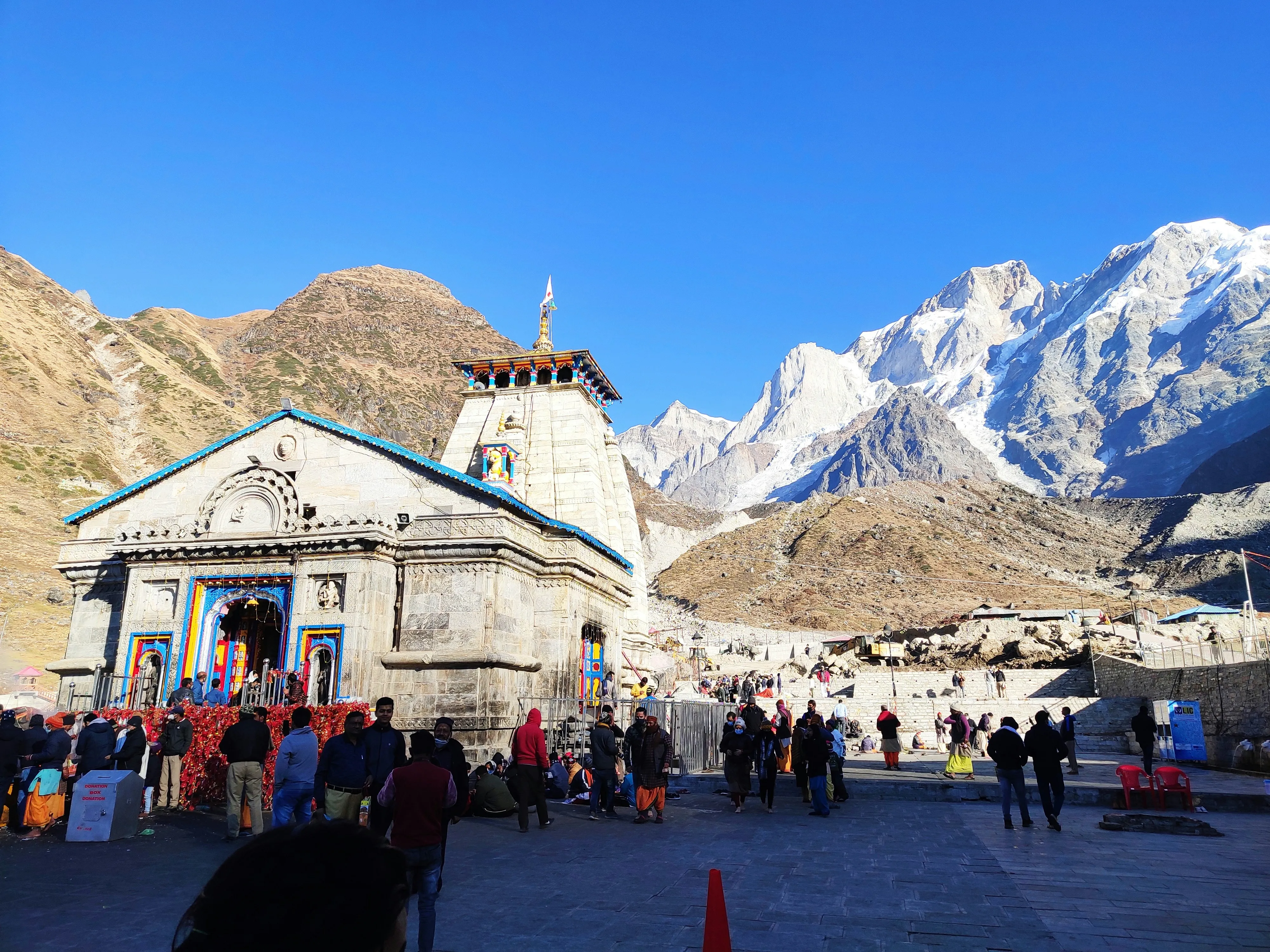
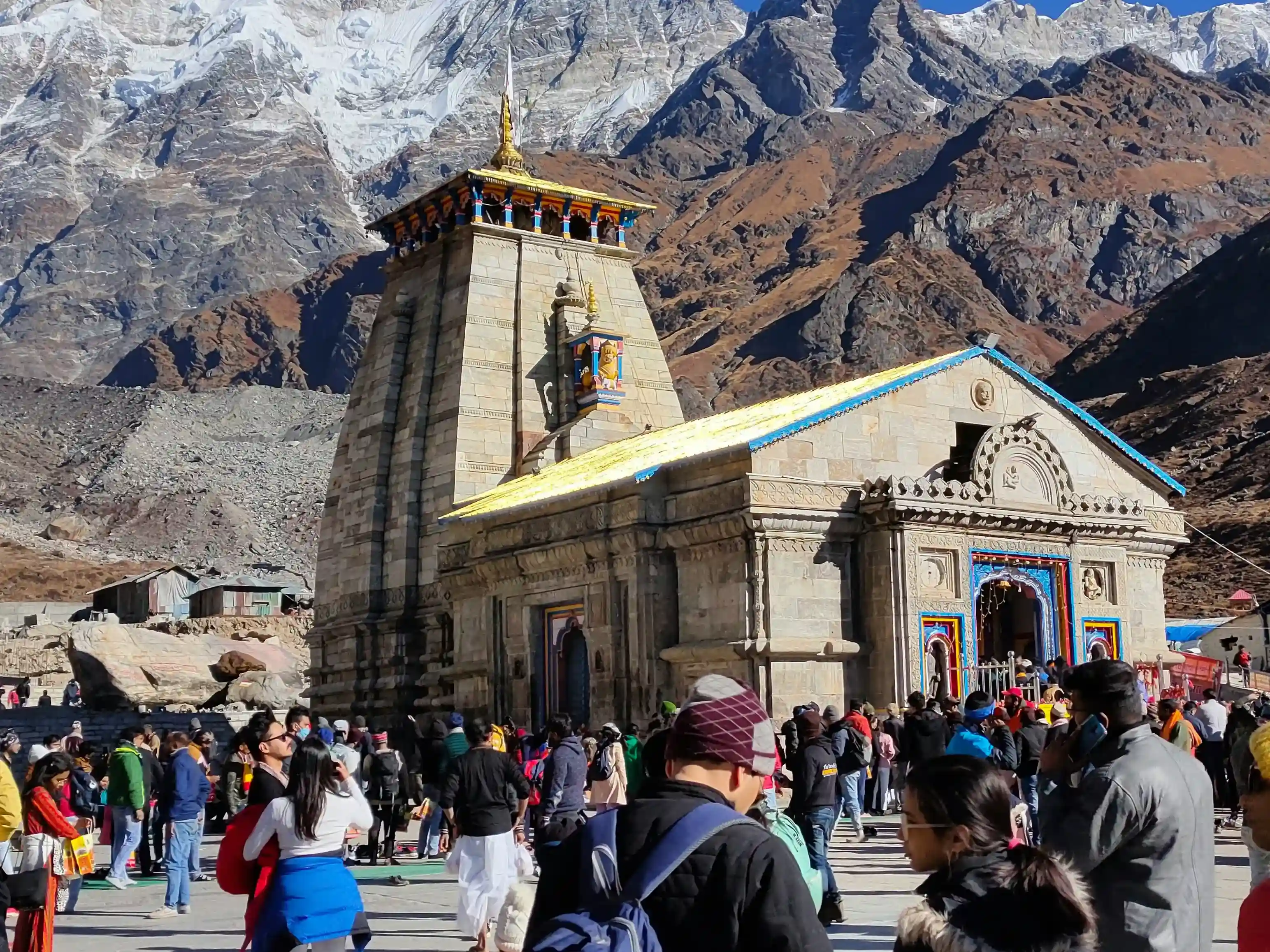
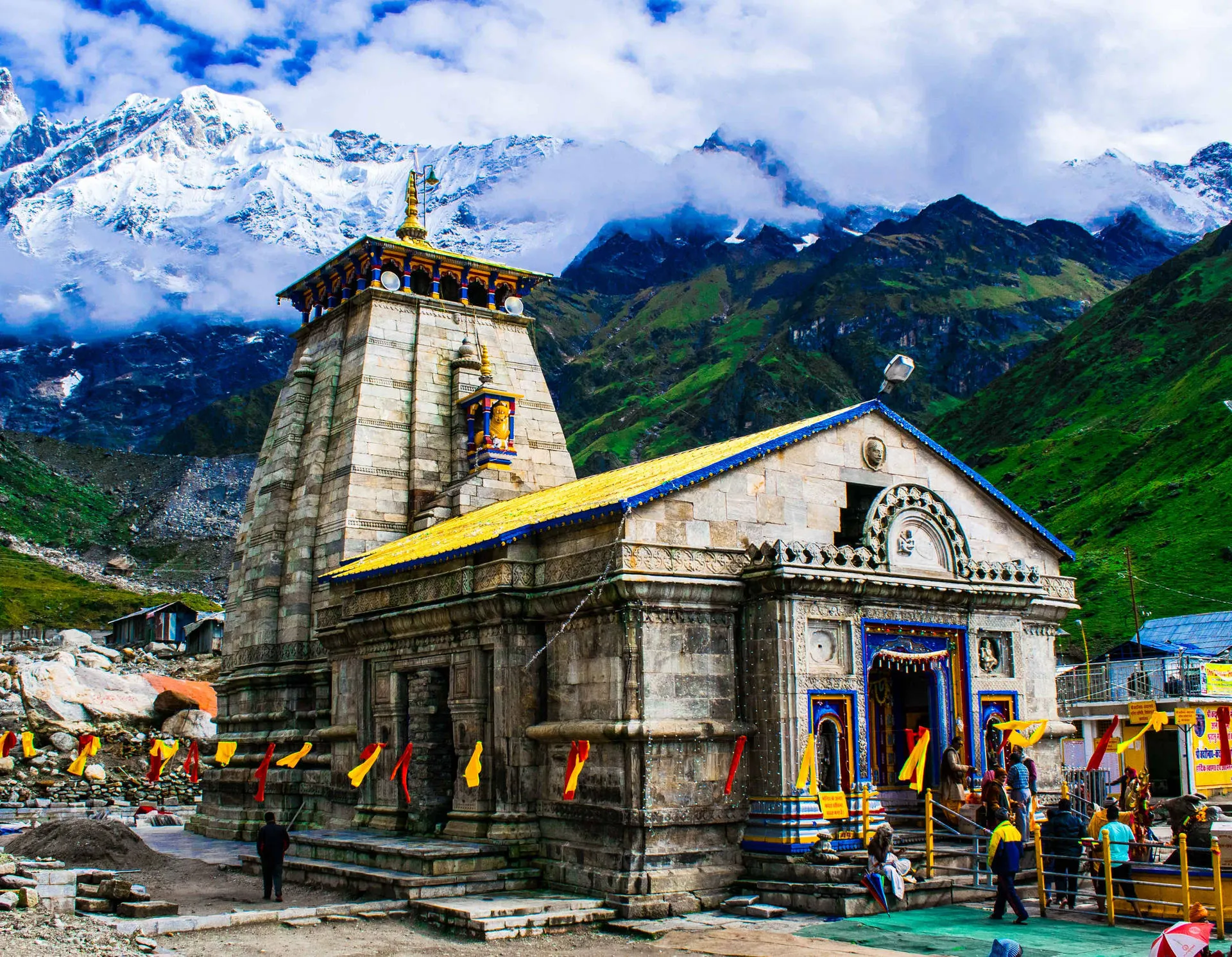
Kedarnath, nestled amidst the majestic Garhwal Himalayas in Uttarakhand, is one of the most sacred pilgrimage destinations in India and an important part of the revered Char Dham Yatra. Dedicated to Lord Shiva, the ancient Kedarnath Temple stands at an altitude of 3,583 meters, surrounded by snow-capped peaks and breathtaking natural beauty. The spiritual energy, serene atmosphere, and awe-inspiring landscapes make Kedarnath a life-changing destination for devotees, trekkers, and nature lovers alike.
Why Visit Kedarnath?
Kedarnath is not just a pilgrimage destination; it is a journey of faith, devotion, and self-discovery. The sacred temple, believed to have been established by the Pandavas and later revived by Adi Shankaracharya, attracts millions of devotees every year. The scenic trek through the Himalayan valleys, pristine rivers, and stunning mountain views adds to the spiritual significance of this unforgettable experience.
- Seek blessings at the sacred Kedarnath Temple, one of the twelve Jyotirlingas.
- Experience the spiritual significance of the Char Dham pilgrimage.
- Enjoy breathtaking views of snow-covered Himalayan peaks.
- Undertake the scenic trek through beautiful mountain landscapes.
- Visit Adi Shankaracharya Samadhi near the temple premises.
- Witness the divine atmosphere surrounded by nature's grandeur.
Top Attractions Around Kedarnath
The magnificent Kedarnath Temple is the primary attraction and one of the holiest shrines dedicated to Lord Shiva. Set against the backdrop of the towering Kedarnath Peak, the temple offers an unparalleled spiritual experience. The sacred Mandakini River flowing nearby adds to the divine charm of the region.
Visitors can also explore Bhairavnath Temple, located on a hilltop overlooking Kedarnath, which is believed to protect the shrine during winter. Other nearby attractions include Vasuki Tal, a beautiful high-altitude lake surrounded by mountains, and the Adi Shankaracharya Samadhi, which commemorates the great philosopher and saint. The entire region is blessed with mesmerizing scenery, making every step of the journey memorable.
"Kedarnath is where faith meets the Himalayas. Surrounded by towering peaks and divine silence, every step towards the sacred temple becomes a spiritual journey that touches the soul and inspires a deeper connection with Lord Shiva."
Best Time to Visit Kedarnath
Kedarnath Temple remains open from April/May to October/November each year, depending on weather conditions. The best time to visit is between May and June and again from September to October, when the climate is pleasant and the surrounding Himalayan views are at their most spectacular. During winter, heavy snowfall covers the region, and the temple remains closed.
- Offer prayers at one of India's most sacred Jyotirlinga temples.
- Experience the spiritual essence of the Char Dham Yatra.
- Enjoy breathtaking Himalayan landscapes throughout the journey.
- Visit Bhairavnath Temple and Adi Shankaracharya Samadhi.
- Explore the natural beauty of Vasuki Tal and surrounding valleys.
- Create unforgettable memories on one of India's most inspiring pilgrimages.

India's Most Sacred Pilgrimage Destinations
Embark on spiritually enriching journeys to India's most revered temples and holy sites, where devotion, culture, and timeless traditions come together.